Introduction
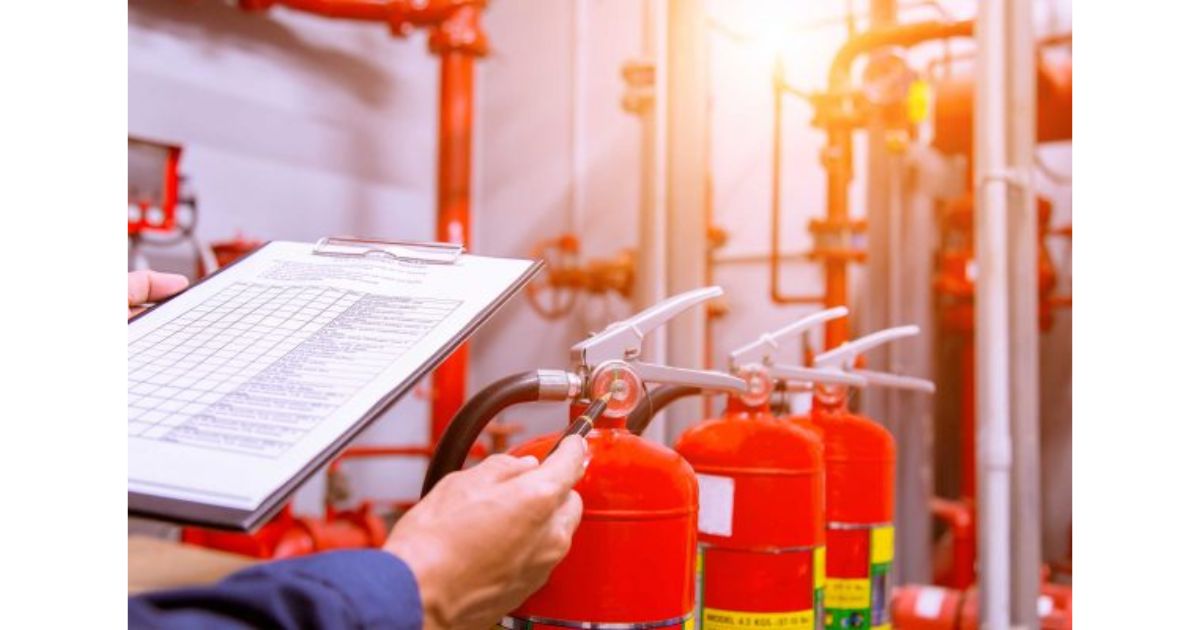
Fire protection systems are among the most valuable investments a building owner or business can make. Whether installed in commercial offices, industrial facilities, hospitals, schools, hotels, shopping centers, or residential buildings, these systems are designed to detect fires, alert occupants, suppress flames, and support safe evacuation. However, the effectiveness of these systems depends not only on proper installation but also on regular Bảo trì hệ thống PCCC.
Bảo trì hệ thống PCCC refers to the scheduled inspection, testing, cleaning, servicing, repair, calibration, and replacement of fire protection equipment. While some organizations focus only on immediate maintenance needs, consistent long-term maintenance delivers significant benefits that extend far beyond regulatory compliance. It improves system reliability, reduces operational costs, extends equipment lifespan, strengthens emergency preparedness, and enhances overall building safety.
A proactive maintenance strategy helps organizations avoid costly repairs, minimize business interruptions, and ensure that fire protection systems remain fully operational throughout their service life. This article explores the long-term benefits of consistent Bảo trì hệ thống PCCC and explains why preventive maintenance should be viewed as a strategic investment rather than an operational expense.
Understanding Bảo trì hệ thống PCCC
A fire protection system consists of multiple interconnected components that work together during a fire emergency.
These systems commonly include:
- Fire alarm systems
- Smoke detectors
- Heat detectors
- Automatic sprinkler systems
- Fire pumps
- Fire hydrants
- Fire extinguishers
- Emergency lighting
- Exit signs
- Smoke control systems
- Emergency communication systems
Each component requires routine maintenance to continue performing reliably over many years.
Improving System Reliability
One of the greatest long-term benefits of consistent maintenance is improved reliability.
Routine inspections identify developing problems before they become serious failures.
Maintenance activities such as:
- Cleaning sensors
- Testing alarms
- Lubricating mechanical parts
- Replacing batteries
- Repairing damaged wiring
help ensure that every system functions correctly during an emergency.
Reliable equipment provides greater confidence for building owners and occupants alike.
Extending Equipment Lifespan
Fire protection equipment represents a significant financial investment.
Without regular maintenance, components deteriorate more quickly because of:
- Dust accumulation
- Corrosion
- Moisture
- Mechanical wear
- Electrical aging
Routine Bảo trì hệ thống PCCC slows this deterioration through preventive servicing.
As a result, equipment remains operational for a longer period, reducing replacement costs.
Reducing Repair Costs
Minor maintenance issues are generally inexpensive to correct.
Examples include:
- Tightening loose electrical connections
- Cleaning smoke detectors
- Replacing worn seals
- Repairing minor leaks
- Changing backup batteries
If ignored, these small problems may develop into major failures requiring costly repairs or complete equipment replacement.
Preventive maintenance significantly lowers long-term maintenance expenses.
Improving Fire Detection Performance
Early fire detection is essential for effective emergency response.
Routine maintenance keeps smoke and heat detectors operating accurately by:
- Cleaning detector chambers
- Testing sensitivity
- Inspecting electrical circuits
- Replacing aging detectors
Properly maintained detectors respond more quickly and reduce the likelihood of false alarms.
Enhancing Fire Alarm Effectiveness
Fire alarm systems coordinate emergency response throughout the building.
Consistent maintenance ensures:
- Alarm panels function correctly.
- Sirens produce adequate sound levels.
- Visual warning devices remain operational.
- Backup power supplies work during outages.
- Communication modules transmit emergency signals reliably.
Reliable alarms improve evacuation speed and emergency coordination.
Maintaining Sprinkler System Performance
Automatic sprinkler systems often prevent small fires from becoming catastrophic incidents.
Routine maintenance includes:
- Inspecting sprinkler heads Bảo trì hệ thống PCCC
- Checking water pressure
- Examining valves
- Testing water flow switches
- Identifying corrosion and leaks
Well-maintained sprinkler systems provide dependable fire suppression while reducing property damage.
Preserving Fire Pump Efficiency
Fire pumps play a vital role in supplying water during emergencies.
Routine servicing includes:
- Pressure testing
- Lubrication
- Motor inspections
- Electrical testing
- Cooling system maintenance
Consistent servicing extends pump lifespan while ensuring reliable operation.
Supporting Emergency Evacuation
Emergency evacuation systems require continuous maintenance to remain dependable.
These systems include:
- Emergency lighting
- Exit signs
- Public address systems
- Smoke control equipment
- Emergency communication devices
Routine testing ensures occupants can evacuate safely even during power failures.
Improving Workplace Safety
Employees perform more confidently when they know fire protection systems are properly maintained.
Visible maintenance activities reinforce an organization’s commitment to workplace safety.
This contributes to:
- Increased employee confidence
- Better emergency preparedness
- Reduced panic during emergencies
- Improved evacuation efficiency
A safer workplace also supports employee well-being and productivity.
Protecting Valuable Assets
Fire can destroy expensive equipment and valuable property within minutes.
Properly maintained fire protection systems help safeguard:
- Office equipment
- Manufacturing machinery
- Inventory
- Computer systems
- Documents
- Building infrastructure
Rapid fire detection and suppression minimize damage and reduce recovery costs.
Supporting Business Continuity
Fire emergencies may disrupt business operations for extended periods.
Consistent Bảo trì hệ thống PCCC helps organizations:
- Reduce equipment failures
- Limit fire damage
- Resume operations faster
- Protect customer relationships
- Minimize financial losses
Reliable fire protection contributes directly to long-term operational stability.
Maintaining Regulatory Compliance
Many fire safety regulations require routine maintenance throughout the life of a building.
Consistent maintenance helps organizations maintain:
- Inspection records
- Testing reports
- Repair documentation
- Equipment certifications
- Maintenance histories
Accurate documentation simplifies regulatory inspections and demonstrates compliance.
Reducing Insurance Risks
Insurance companies evaluate fire protection systems when assessing building risks.
Organizations with comprehensive maintenance programs demonstrate:
- Responsible risk management
- Lower fire exposure
- Reliable safety equipment
- Ongoing regulatory compliance
Well-maintained systems may contribute to smoother insurance evaluations and claims processes.
Preventing Unexpected Equipment Failures
Unexpected failures often occur because of neglected maintenance.
Routine inspections identify issues such as:
- Weak batteries
- Damaged wiring
- Corroded sprinkler heads
- Worn valves
- Pump performance problems
- Communication faults
Correcting these issues early prevents emergency breakdowns.
Encouraging Preventive Maintenance Culture
Consistent maintenance encourages organizations to adopt a proactive approach toward safety.
Rather than responding only after failures occur, organizations begin focusing on:
- Early problem detection
- Scheduled inspections
- Continuous improvement
- Employee awareness
- Long-term planning
This culture improves overall operational performance.
Environmental Benefits
Maintained fire protection systems also contribute to environmental protection.
Effective suppression systems reduce:
- Fire spread
- Smoke emissions
- Water waste
- Equipment disposal
- Construction waste from rebuilding damaged facilities
Preventing major fires reduces environmental impact while protecting surrounding communities.
Common Challenges to Consistent Maintenance
Organizations sometimes struggle to maintain long-term maintenance programs.
Common challenges include:
Budget Constraints
Preventive maintenance may be postponed because of financial limitations.
Busy Operations
Scheduling inspections without disrupting daily activities can be difficult.
Aging Infrastructure
Older systems often require additional maintenance.
Environmental Conditions
Dust, chemicals, vibration, and humidity accelerate equipment wear.
Recognizing these challenges allows organizations to develop better maintenance strategies.
Best Practices for Long-Term Maintenance Success
Organizations should follow several proven practices.
Develop a Preventive Maintenance Schedule
Plan inspections throughout the year instead of waiting for equipment failures.
Work with Qualified Technicians
Certified professionals provide accurate inspections and dependable repairs.
Maintain Detailed Records
Documentation supports compliance and future maintenance planning.
Replace Aging Components
Do not wait until equipment completely fails before replacing worn parts.
Train Employees
Employees should report visible equipment issues immediately.
Review Maintenance Programs Regularly
Continuous evaluation helps improve maintenance effectiveness over time.
Future Trends in Fire Protection Maintenance
Modern technology continues transforming maintenance practices.
Emerging innovations include:
- Smart fire alarm systems
- Remote equipment monitoring
- Predictive maintenance software
- Artificial intelligence diagnostics
- Cloud-based maintenance records
- Mobile inspection applications
- Automated maintenance scheduling
These technologies improve efficiency while reducing long-term maintenance costs.
Conclusion
Consistent Bảo trì hệ thống PCCC delivers substantial long-term benefits that extend far beyond routine inspections. Through preventive maintenance, organizations improve system reliability, extend equipment lifespan, reduce repair costs, strengthen emergency preparedness, maintain regulatory compliance, and protect valuable assets. Reliable fire protection systems also contribute to workplace safety, business continuity, and environmental responsibility.
Rather than viewing maintenance as a recurring expense, organizations should recognize Bảo trì hệ thống PCCC as a strategic investment in safety, operational efficiency, and long-term success. A well-planned maintenance program ensures that fire protection systems remain dependable throughout their service life, providing peace of mind and reliable protection whenever an emergency occurs.